
ALNETS · Technical articles
On-Premises Enterprise RAG: From 16GB Edge Compute to Unified API Gateway Routing
A practical guide to zero-data-leakage enterprise RAG, detailing local vector search, 16GB VRAM edge inference, and hybrid cloud-edge routing via an enterprise API gateway.
Quick Takeaways (TL;DR)
Building an on-premises enterprise knowledge base (RAG) does not demand high-power datacenter GPU clusters, nor should proprietary source code, financial audits, or contracts be uploaded to public clouds in plaintext. The proven architecture is a tiered hybrid system: pin document chunking, dense vector embeddings, and 7B-14B edge model inference to 16GB VRAM hardware (such as AE-2000) so sensitive data never leaves the LAN, while routing non-sensitive reasoning through a centralized API gateway to authorized frontier cloud LLMs.
Three Critical Bottlenecks in Enterprise RAG
When moving knowledge bases from internal PoC to production across departments, IT architects hit three major obstacles:
- Data Sovereignty & Compliance: Legal agreements, customer NDAs, and proprietary patents cannot leave enterprise firewalls, blocking pure public SaaS models.
- Token Costs & Network Latency: Repeatedly embedding and vector-searching tens of thousands of corporate manuals drives escalating cloud API invoices and introduces network latency spikes.
- Concurrency & Access Control Fragmentation: Departmental silos (e.g., HR vs R&D) require granular access control that ad-hoc scripts cannot reliably enforce under concurrent load.
Compute Sizing and Model Selection Matrix
| Compute Profile | VRAM & Concurrency | Target Models & Workloads | Recommended Hardware |
|---|---|---|---|
| Lightweight Edge Compute | 16GB VRAM, supports 5-30 concurrent team users | BGE-M3 embeddings, Qwen-2.5-7B/14B Q4 local inference & reranking | AE-2000 Industrial Edge AI Computer |
| High-Performance Workstation | 32GB-64GB+ VRAM, supports 50-200 concurrent team users | 32B-70B models for local on-prem deep reasoning and fine-tuning | AiW-V / AW AI Workstation Series |
| Routing & Governance | Manages traffic routing, auth, and caching (zero GPU overhead) | Multi-model load balancing, token metering, intranet auth gateway | Enterprise AI API Gateway |
Zero-Leakage Hybrid Cloud-Edge Topology
To achieve the ideal balance between air-gapped data confidentiality and output intelligence, deploy a hybrid cloud-edge topology:
- Confidential LAN Pipeline: Raw enterprise manuals, schemas, and PDFs stay strictly on-premises. Document ingestion, vector chunking, and database indexing execute locally on the AE-2000 edge host without transmitting raw text outside.
- Intelligent Gateway Dispatch: Routine retrieval and sensitive queries are fulfilled entirely by local 7B/14B models. Complex reasoning requests route through the enterprise API gateway with automated anonymization.
- Automated Cold Backup: Pair with on-prem enterprise NAS for scheduled daily snapshots of vector embeddings and knowledge indexes, preventing catastrophic data loss.
5-Step Enterprise RAG Implementation Roadmap
- Step 1: Document Cleansing & Role Mapping. Audit departmental repositories, archive stale assets, and define access classification tiers.
- Step 2: Edge Hardware Commissioning. Rack-mount or desk-mount the AE-2000 on the departmental switch, initializing vector DB containers.
- Step 3: Chunking Strategy & Embedding Calibration. Apply semantic-aware chunking for technical tables and specs, tuning BGE-M3 vectors.
- Step 4: API Gateway Deployment. Route user chat clients through the gateway, setting token quotas, latency limits, and fallback paths.
- Step 5: Client Integration & Iterative Retrieval Tuning. Connect to internal enterprise messaging or portal clients, monitoring Top-K recall accuracy.
Frequently Asked Questions (FAQ)
Frequently asked engineering considerations:
- Q: Can a 16GB VRAM unit realistically support dozens of enterprise users? A: Yes. The computational bottleneck is vector retrieval (handled efficiently in RAM/CPU) and reranking (sub-second). For generation, optimized 7B-14B 4-bit models consume only 6GB-10GB VRAM at 30-50 tokens/sec. Coupled with API gateway queue management, it easily serves teams of 10-50 users.
- Q: Does the on-premise knowledge base continue functioning during internet outages? A: Absolutely. Because document parsing, vector indexing, and local inference models reside inside your LAN on the AE-2000, internal teams retain 100% search and QA capabilities even during complete WAN blackouts.
ARCHITECTURE & HARDWARE SYNERGY
Recommended Products & Bundles
Hardware appliances, gateways, and collaborative suites referenced in this guide:
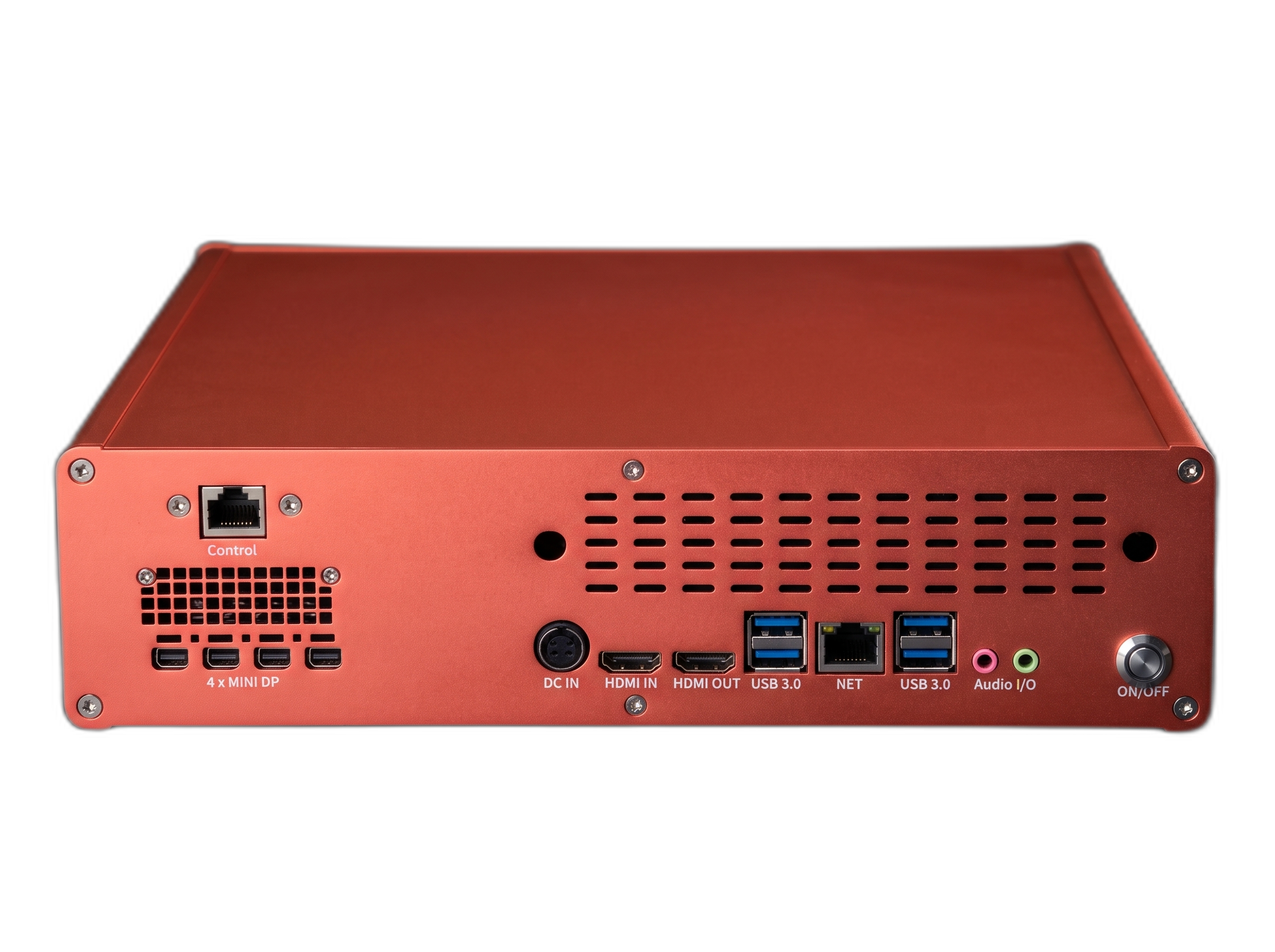
AE-2000 Industrial Edge AI Computer
Local AI compute for industrial and commercial sites, with two system configurations. Both use an NVIDIA RTX 2000 Ada GPU with 16GB GDDR6 ECC memory.
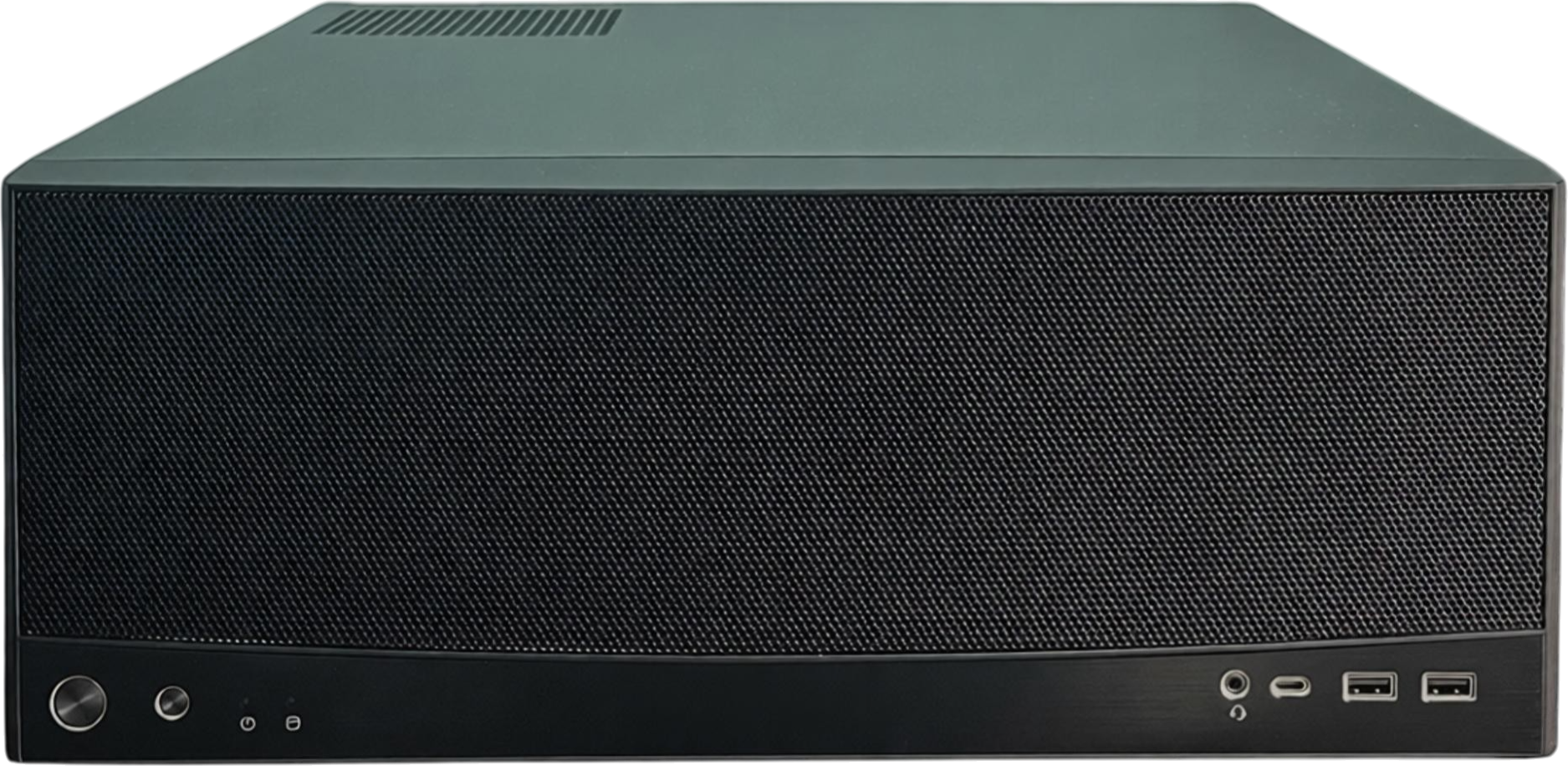
AiW-V Local AI Workstation
Accessible 32GB/64GB VRAM workstation bringing mainstream LLMs and offline AI video creation to your desk.
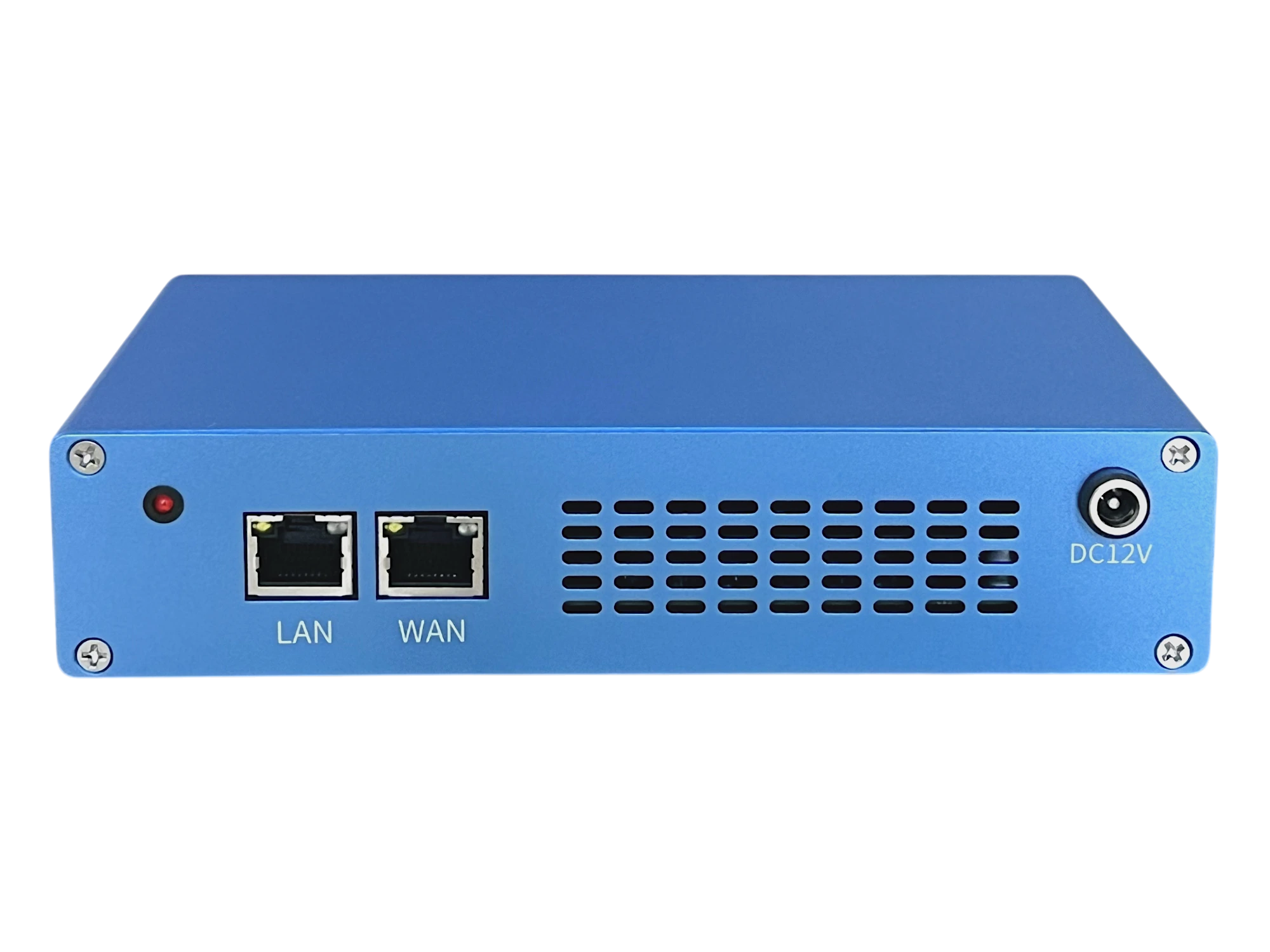
Enterprise AI API Gateway
Centralized multi-model routing, token quota metering, concurrency throttling, and private auth. In planning · Coming soon.
Enterprise AI Gateway & Collaborative Suite
Integrated hardware topology, security boundary, and turnkey suite
Enterprise Private Knowledge Base & Q&A Hub
Organize scattered manuals, installation guides, troubleshooting trees, and internal SOPs into an authoritative, private knowledge retrieval engine with complete confidentiality.
Enterprise AI API Gateway & Multi-Device Synergy
Establish an authoritative, governed AI infrastructure for enterprise teams—eliminating fragmented configs, uncoordinated upstream accounts, credential leaks, and untracked API costs.