
ALNETS · Technical articles
AE-2000 edge compute host or AI workstation: where to start
AE-2000 provides local AI compute for industrial and commercial sites; AW is intended for local AI workloads needing higher compute capacity. Start with the model, workload and site conditions.
Short answer
Consider AE-2000 for local AI applications at industrial, commercial, and edge sites, and AW for workloads needing higher local compute capacity and larger model parameters.
Describe the workload first
“Running AI” is not enough to select a system. Name the model and runtime, then describe inputs, outputs, request frequency and concurrency.
- Model architecture, parameter count, and quantization targets.
- Concurrency targets, VRAM footprint, and latency SLA.
- Available power, rack/DIN-rail space, and thermal conditions.
How the two roles differ
| Dimension | AE-2000 Edge Compute Host | AW AI Workstation |
|---|---|---|
| Primary Role | Industrial and commercial edge on-prem inference. | High-VRAM on-prem inference and fine-tuning. |
| VRAM & Capacity | 16GB VRAM, optimized for 7B-14B models. | High-capacity VRAM architecture for large models. |
| Power & Environment | Compact industrial chassis, wide temperature range. | High-performance tower chassis with active cooling. |
ARCHITECTURE & HARDWARE SYNERGY
Recommended Products & Bundles
Hardware appliances, gateways, and collaborative suites referenced in this guide:
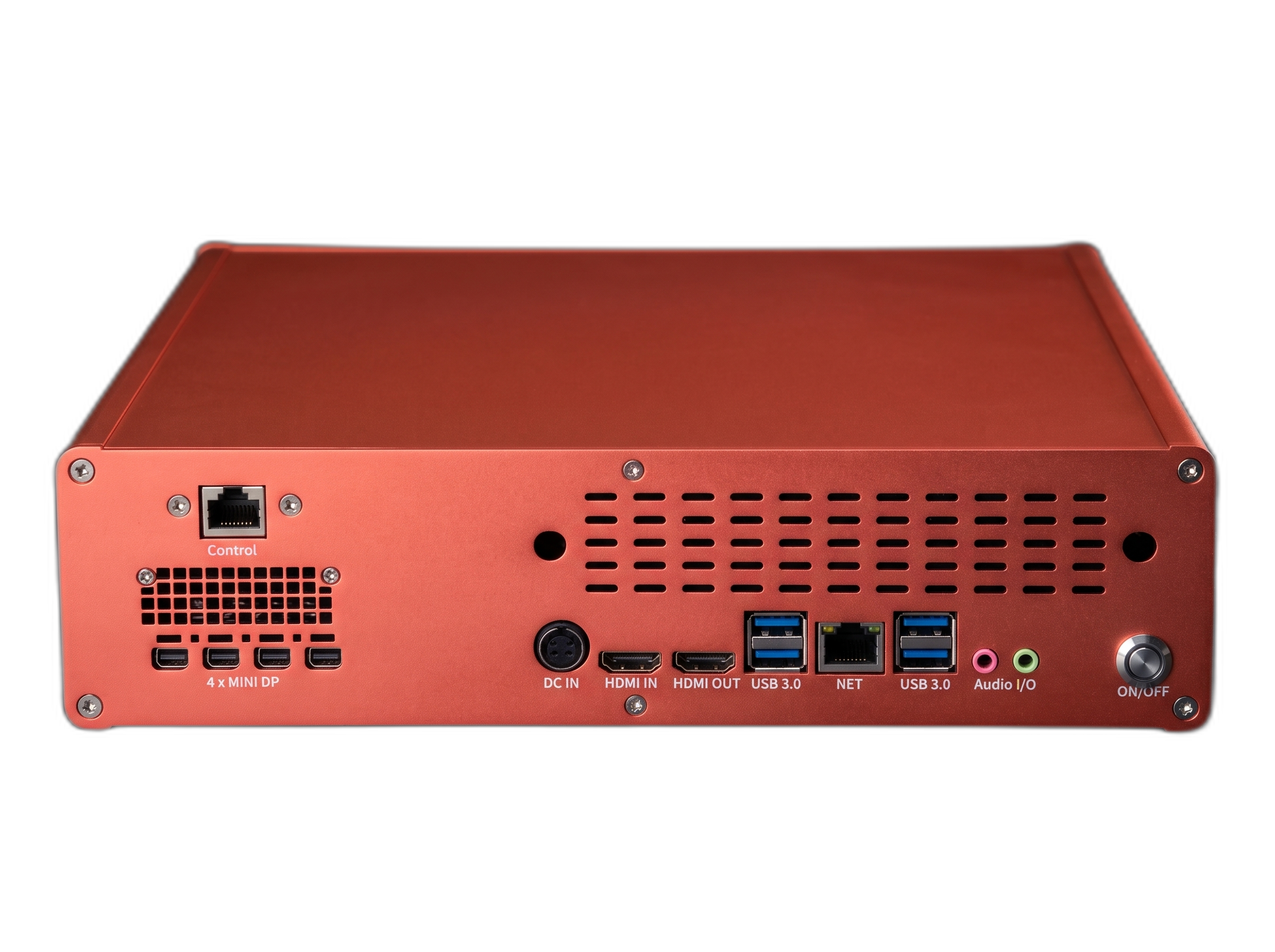
AE-2000 Industrial Edge AI Computer
Local AI compute for industrial and commercial sites, with two system configurations. Both use an NVIDIA RTX 2000 Ada GPU with 16GB GDDR6 ECC memory.
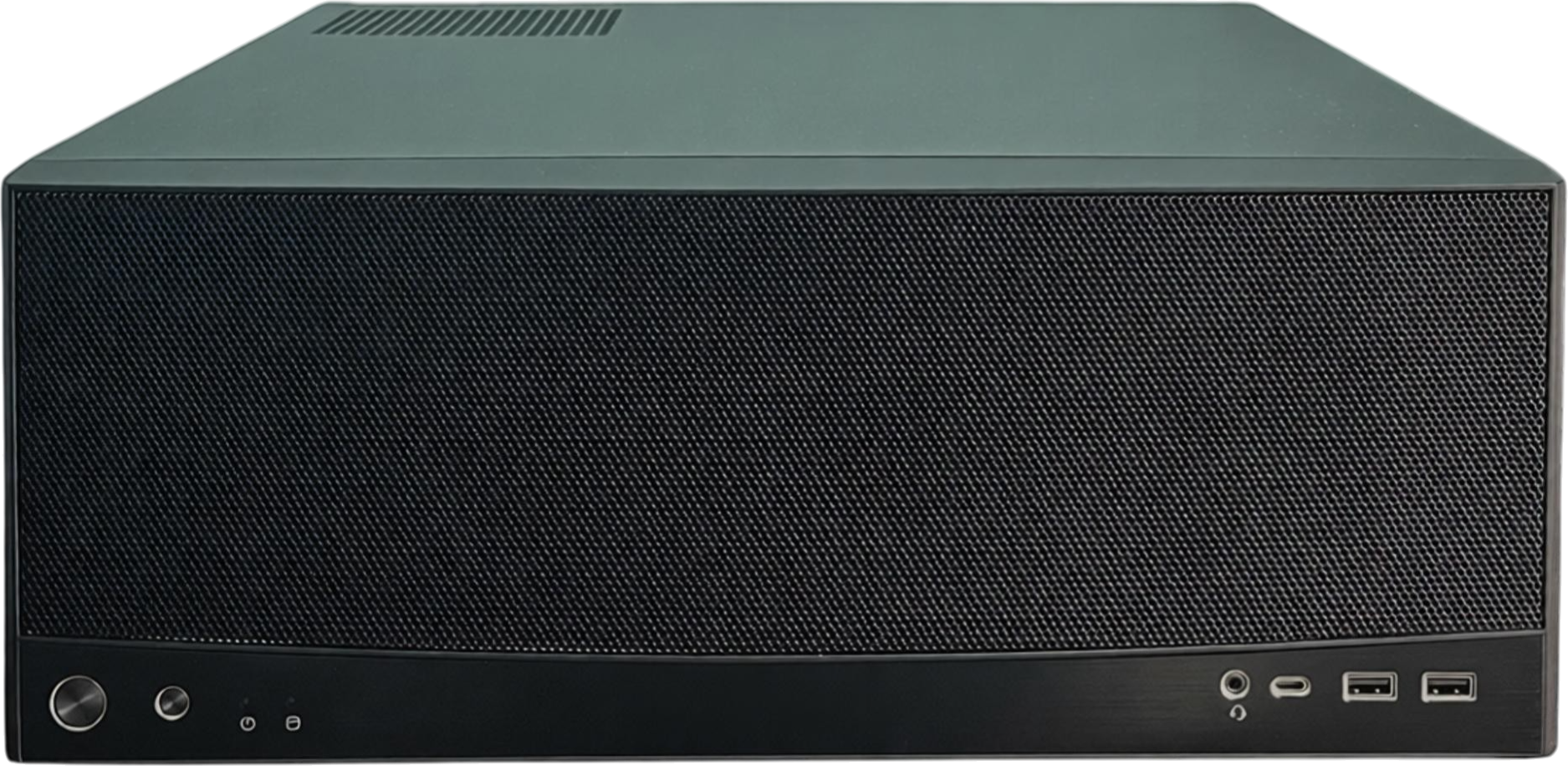
AiW-V Local AI Workstation
Accessible 32GB/64GB VRAM workstation bringing mainstream LLMs and offline AI video creation to your desk.
AE-2000 Industrial Edge AI Computer
Integrated hardware topology, security boundary, and turnkey suite
AW AI Workstation
Integrated hardware topology, security boundary, and turnkey suite
AI Video Surveillance & Event Management
Combines stream ingestion, person detection, perimeter rules, event alerts, and video evidence to help facility managers spot critical incidents and inspect evidence without staring at screens 24/7.