
ALNETS · Deployment guides
Enterprise Soft Router Network Isolation: Multi-Subnet Partitioning and Kill-Switch Architecture on BPR-W
An in-depth architectural guide comparing enterprise soft routers against consumer routers, detailing BPR-W partitioning up to 60 isolated sub-routers, kernel-level Kill-Switch failsafe, and CloudLink clean exit integration.
Quick Takeaways (TL;DR)
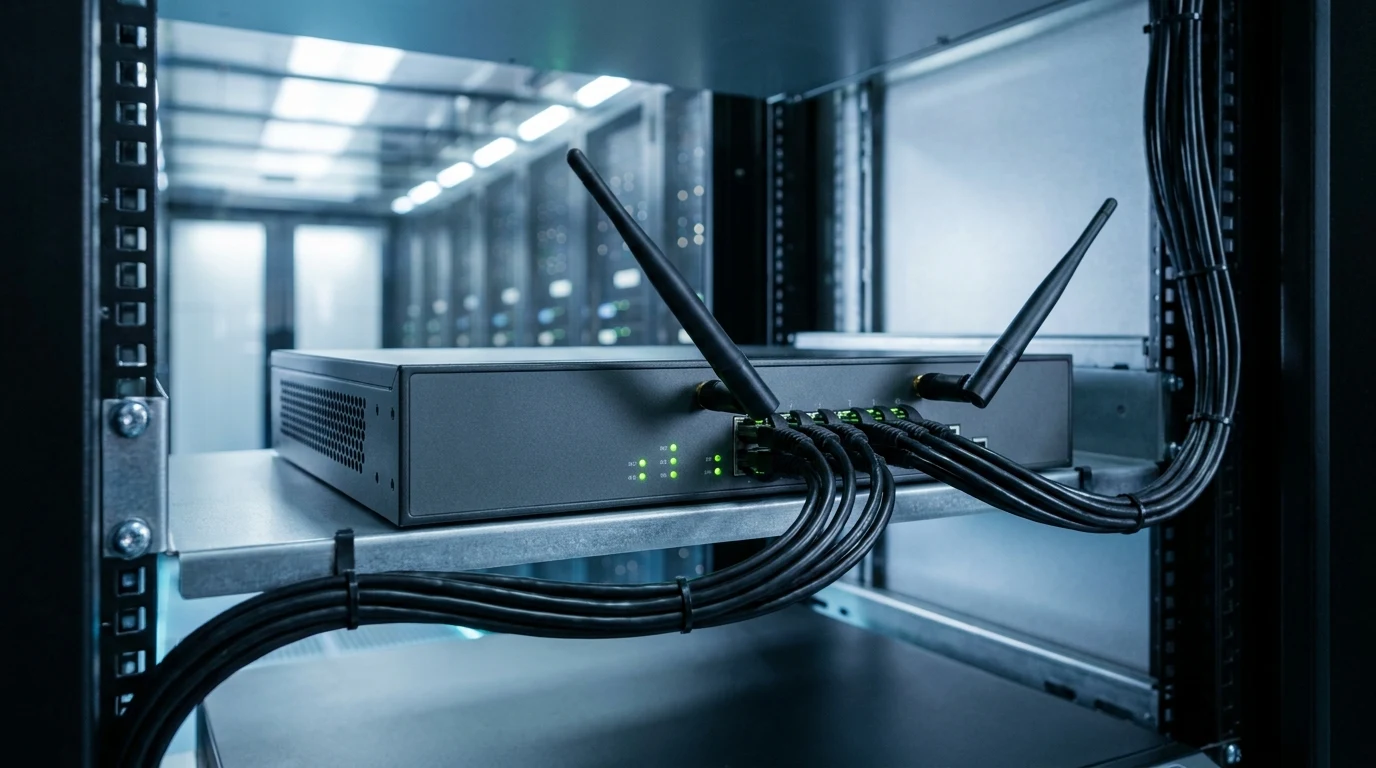
The non-negotiable security baseline for cross-border multi-store management and automated scraping is absolute physical anti-association and zero source IP leakage. Consumer routers stacked in racks create RF interference, thermal issues, and fatal fallback to the real ISP WAN IP when proxies drop. The Linux-powered BPR-W enterprise soft router partitions a single chassis into up to 60 fully isolated virtual subnets—each with dedicated DHCP, NAT tables, and virtual MACs—enforced by a kernel-level Kill-Switch that severs WAN traffic instantly upon tunnel disruption.
Consumer Hardware Routers vs. Enterprise Soft Routers
When powering multi-store operations, social media matrices, and automated agents, architectural differences become mission-critical:
| Dimension | Consumer Router Stacking | BPR-W Enterprise Batch Proxy Router |
|---|---|---|
| OS Architecture | Closed-source or rudimentary firmware; manual config per box | Custom enterprise Linux router OS with centralized batch API management |
| Isolation & Subnets | Single subnet per unit; 50 networks demand 50 physical boxes | Single unit partitions up to 60 isolated sub-routers with unique MACs & subnets |
| Proxy Failover Protection | Catastrophic leak: Silently falls back to raw ISP broadband WAN IP | Kernel-level Kill-Switch: Millisecond traffic drop on dropouts, zero IP leaks |
| Deployment & Power | Cluttered wiring, 50 power bricks, severe 2.4G/5G co-channel noise | Compact anodized aluminum chassis, unified power, clean RF management |
BPR-W Core Isolation & Security Architecture
BPR-W engineers network defenses across three distinct architectural layers:
- Independent Subnet Stacks: Each sub-router broadcasts a dedicated SSID, isolated IP subnet, separate DHCP pool, and unique MAC address. Layer-2 broadcast traffic remains strictly isolated across all partitions.
- Kernel Kill-Switch Enforcement: Desktop proxy apps leak traffic if their process crashes. BPR-W enforces leak prevention in the kernel routing table: if a proxy heartbeat drops, outbound WAN forwarding is severed in milliseconds, preventing raw ISP IP exposure.
- CloudLink Seamless Transit: Turn clean cloud VPS instances on Alibaba Cloud, Tencent Cloud, or AWS into dedicated proxy exits with one click, binding them strictly to chosen subnets for pristine IP reputation.
Primary Use Cases: Cross-Border Stores & Social Matrices
Enterprises leverage BPR-W to deploy cost-effective, audit-compliant network topologies:
- Multi-Store Anti-Association: Assign 10 to 60 dedicated wireless SSIDs for Amazon, TikTok, or Shopee shops. Each laptop connects to an isolated sub-router with dedicated egress IP and unique MAC.
- Social Media & Live Streaming Matrices: High-gain 5GHz wireless delivers low-latency connectivity for mobile matrix racks, while internal port forwarding enables LAN-only device management with zero proxy cost.
- Distributed Scraping Nodes: Provide isolated multi-exit routing for data collection pipelines, bypassing aggressive rate-limiting per source IP.
Hardware Sizing: BPR-W10 vs. BPR-W60
| Specification | BPR-W10 Standard | BPR-W60 Enterprise |
|---|---|---|
| Max Isolated Subnets | Up to 10 isolated wireless subnets | Up to 60 isolated wireless subnets |
| Recommended Endpoints | 10 to 25 devices operating concurrently | 60 to 120 high-density devices |
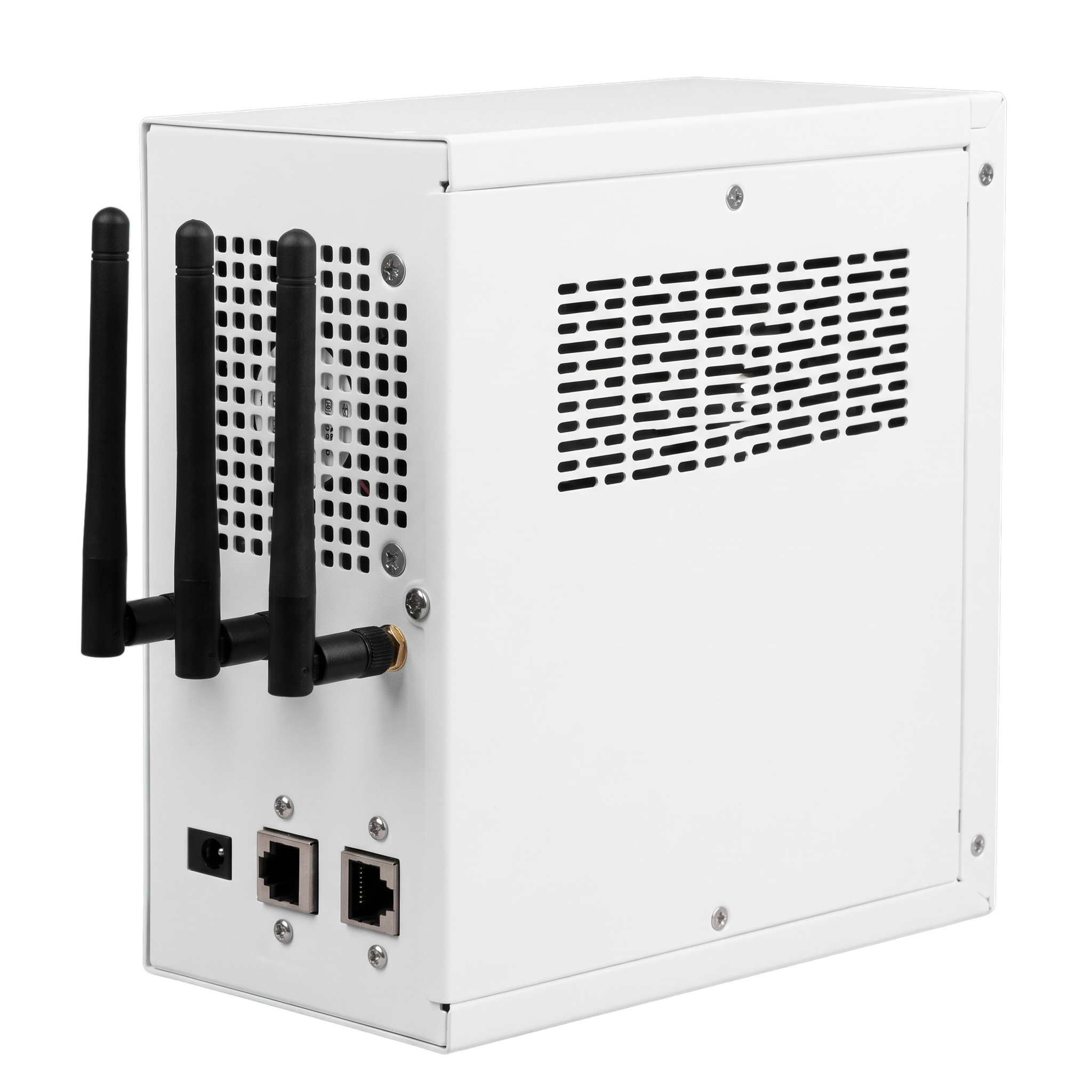
| Interfaces & Wireless | Dual Gigabit RJ45 + Dual-Band Wi-Fi | Dual Gigabit RJ45 + Detachable High-Gain Antenna Array |
| Target Team Scale | Startup teams, boutique 3-5 person shops | Scale cross-border agencies, MCN studios, phone matrix racks |
Frequently Asked Questions (FAQ)
Frequently asked procurement and deployment questions:
- Q: What is the advantage of BPR-W over anti-detect browsers with desktop proxy clients? A: Anti-detect browsers only isolate browser-level JS fingerprints. Background OS tasks, updater daemons, DNS lookups, and WebRTC bypass software tunnels and leak your actual broadband IP. If the proxy client crashes, traffic is fully exposed. BPR-W enforces isolation and Kill-Switch protection at the router hardware layer, capturing 100% of machine traffic.
- Q: Will multiple sub-routers sharing a single upstream ISP broadband trigger platform association? A: No. Risk systems evaluate public egress IP, DNS resolution, and TCP/IP stack fingerprints. Each BPR-W sub-router binds to a distinct clean proxy exit (or CloudLink VPS). Upstream services observe traffic originating from completely independent public IPs, entirely isolated from your local ISP connection.
ARCHITECTURE & HARDWARE SYNERGY
Recommended Products & Bundles
Hardware appliances, gateways, and collaborative suites referenced in this guide:
BPR-W Wireless Proxy Router
Build up to 60 independent isolated sub-routers with hardware-level Kill-Switch leak protection.
MLR Series Multi-LAN Proxy Router
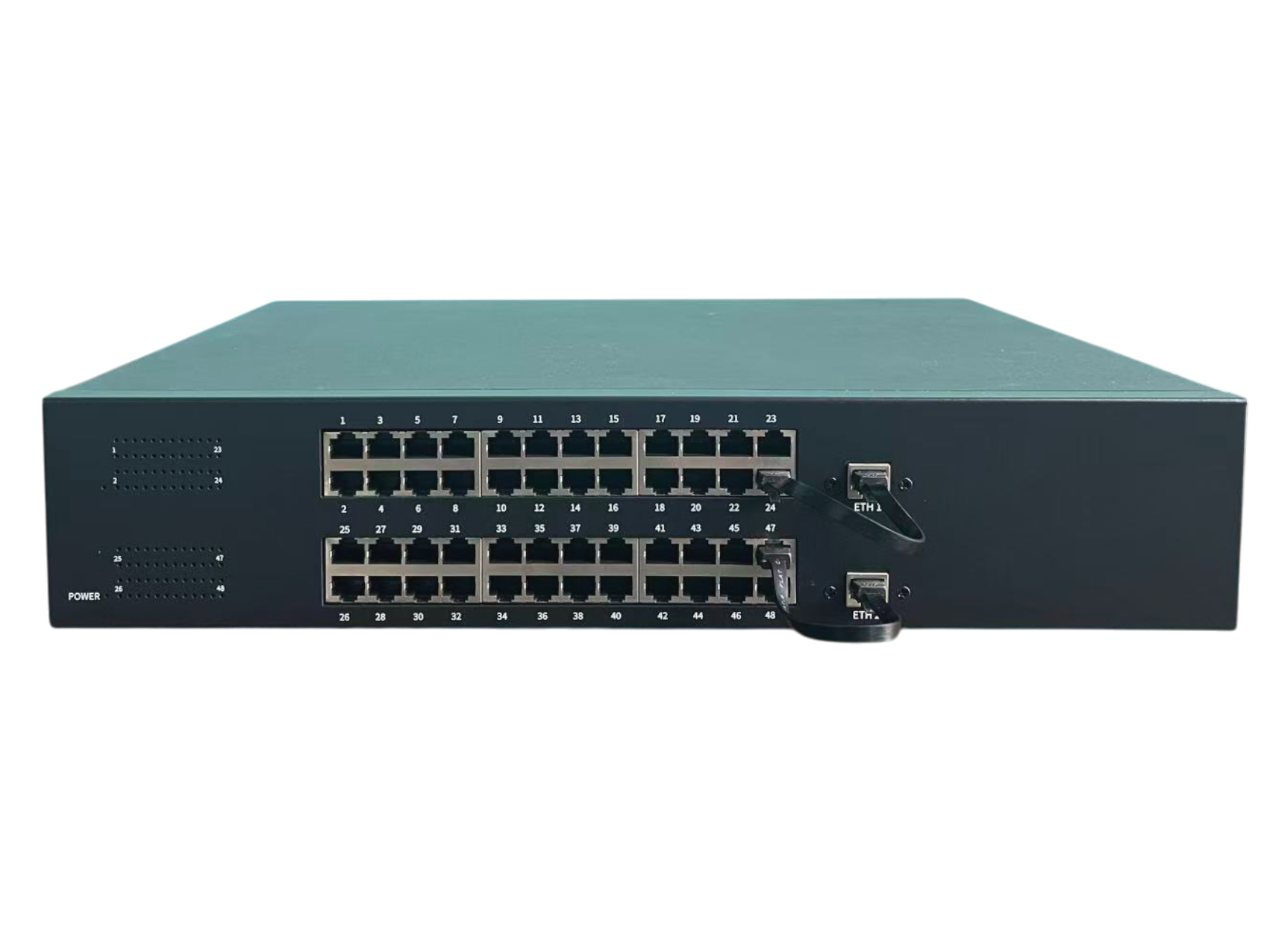
One LAN port, one isolated subnet. Consolidates 22 or 44 isolated physical subnets in a single 19" rack chassis.
BPR-W Wireless Batch Proxy Router
Integrated hardware topology, security boundary, and turnkey suite
Cross-Border AI Agent Matrix Bundle
Integrated hardware topology, security boundary, and turnkey suite